


Our sustainability strategy

Overview
In 2019, Tiger Brands clarified its strategic commitment to promoting a Sustainable Future, the fourth pillar of the company’s long-term growth strategy. The Sustainable Future strategy reflects our approach to driving the company’s societal value proposition by optimising our impact on the social and natural capital stocks on which we depend.
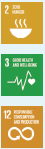
Developing the Sustainable Future strategy enabled us to integrate existing sustainability projects with new initiatives, align these with the UN SDGs, and to organise this under an umbrella framework of longer-term focused goal areas that align with our business model. We have highlighted our priority SDGs upfront in this report and are working with the National Business Initiative (NBI) to identify the key common SDGs to drive collective impact in the agri-processing sector. Tiger Brands is aligned on the common priority SDGs and sector-level objectives emerging through this engagement.
These are the three areas where we believe Tiger Brands can meaningfully contribute, through our business activities, to achieving the UN Sustainable Development Goals (SDGs) and addressing some of the significant socio-economic and environmental challenges in our markets. These focus areas are underpinned by a set of critical anchors relating to: ethical behaviour; purpose-led culture; food safety and quality; ethical supply chain practices; safety, health and environment; responsible marketing; and transparency, stakeholder responsiveness and partnerships.

To deliver on our core purpose of nourishing and nurturing more lives every day, we have prioritised the following three focus areas:
 |
 |
 |
||
Health and nutritionEnabling consumers to improve their health and wellbeing We will enable consumers to improve their health and wellbeing by providing affordable good nutrition
|
Enhanced livelihoodsImproving the livelihoods of thousands of people We will improve the livelihoods of thousands of people by providing opportunities across our value chain for inclusive economic participation
|
Environmental stewardshipSignificantly reducing our environmental footprint We will significantly reduce our environmental impact through innovative solutions
|

Delivering on our sustainability strategy
Tiger Brands aims to report more meaningfully against our Sustainable Future strategy. To achieve this, our objective is to establish clear baselines and targets for big 2030 goals, with milestone targets set for 2025. Currently, we are using a strategic roadmap of annual commitments aligned with key performance indicators to guide and measure our progress towards better defining these longer-term goal structures. This is a work-in-progress. We disclose our efforts here in the interest of strengthened transparency, as we continue to drive better integration of sustainability across our organisation.
 |
At risk |  |
Behind schedule |  |
On track |
 |
Health and nutrition |
| Priority SDGs |
2030 target | 2020 commitment | 2020 achievements | Progress | |||||||
 |
|
|
|
|
|||||||
|
|
|
|
||||||||
|
|
|
|
||||||||
|
|
|
|
1 Nutrition Information Centre of the University of Stellenbosch.
2 Product Life-Cycle Management System.
3 Eat Well Live Well Programme.
 |
Enhancing livelihoods |
| Priority SDGs |
2030 target | 2020 commitment | 2020 achievements | Progress | |||||||
 |
|
|
|
|
|||||||
|
|
|
|||||||||
|
|
|
|||||||||
|
|
|
|
||||||||
|
|
|
|||||||||
|
|
|
|||||||||
|
|
|
|
||||||||
|
|
|
|||||||||
|
|
|
|||||||||
|
|
|
|
1 Enterprise and Supply Development (ESD).
2 Supplier BBBEE level 4 or better.
3 Return on Investment tracked through external verification.
4 African, Coloured and Indian (ACI).
5 Based on BBBEE level 4 on current codes.
 |
Environmental stewardship |
| Priority SDGs |
2030 target | 2020 commitment | 2020 achievements | Progress | |||||||
 |
|
|
|
|
|||||||
|
|
|
|||||||||
|
|
|
|
||||||||
|
|
|
|||||||||
|
|
|
|
||||||||
|
|
|
|
||||||||
|
|
|
|
||||||||
|
|
|
|||||||||
|
|
|
|||||||||
|
|
|
|
 in GHG emissions from FY19 baseline
 of energy intensity (kWh/ton)
1 Energy System Optimisation (ESO).
2 Energy Management System (EnMS).
3 Resource Efficiency Cleaner Production (RECP).
4 Consumer Goods Council South Africa (CGCSA).
5 Polyethylene Terephthalate (PET).
* Front of Pack.