

Celebrating our centenaryDownload pdf version
Founded by Jacob Frankel in 1921, with some help from business entrepreneur Joffe Marks, Tiger Brands is built on the strength of family businesses and the spirit of entrepreneurship.
Frankel originally started his small family business in Newtown, a thriving hub of cultural, industrial, and economic activity in a young and growing Johannesburg. In 1925 the company, then known as Tiger Oats Limited, launched a breakfast oatmeal brand called Jungle Oats which featured the iconic Tiger in the grass logo that remains a firm favourite on breakfast tables across South Africa.
Two decades later, Tiger Oats Limited and National Milling Company Limited, founded by Frederick John Collier, incorporated and listed on The Johannesburg Stock Exchange in 1944, where the company retains its primary listing. In 2000, Tiger Oats was renamed Tiger Brands.
Over the course of a century, our brands have been part of the moments that matter in the lives of millions of South Africans. Many have a rich and interesting history, born from the efforts of enterprising men and women, with several homegrown South African success stories.
From these modest beginnings and many others, Tiger Brands grew through acquisitions and clustering of businesses that cover Food, Beverages as well as Home and Personal Care brands to become one of Africa's largest listed manufacturers of FMCG.
Our history is rich and varied, and from these stories of belief, ingenuity and perseverance we draw our inspiration as we work to nourish and nurture more lives, every day.
View the history of Tiger Brands
Select a timeline to view
View the history of our brands
-
1921
Founded in 1921 by Jacob Frankel, with help from Joffe Marks, Tiger Brands Limited, formerly known as Tiger Oats Limited, begins as a family business in Newtown, Johannesburg.
-
1944
Tiger Oats and National Milling Company Limited are incorporated and list on the JSE.
-
1982
Barlow Rand (now Barloworld) acquires majority share in Tiger Oats through CG Smith Limited.
-
1993
CG Smith unbundles from Barlow Rand.
-
1998
Tiger Oats acquires ICS Holdings Limited (formerly Imperial Cold Storage and Supply Company).
-
2000
Tiger Oats renames to Tiger Brands.
Adcock Ingram becomes wholly owned subsidiary and delists from the JSE.
-
2001
Tiger Brands unbundles and separately lists its animal feed and poultry operations into Astral Foods.
-
2004
Tiger Brands unbundles and separately lists Spar.
-
2006
Acquires the sugar confectionery businesses from Nestlé, including Jelly Tots.
-
2007
Expands branded portfolio further into beverages by acquiring Bromor Foods, with key brands Oros, Energade and Rose's.
-
2008
Unbundles and separately lists Adcock Ingram.
Extends African footprint by acquiring controlling stake in Haco Industries of Kenya and Chococam of Cameroon.
-
2009
Expands branded portfolio by acquiring Crosse & Blackwell.
-
2011
Expands African footprint by acquiring interests in the East African Group of Ethiopia, Deli Foods of Nigeria and Davita, a South African exporter of powdered seasoning (Benny) and beverages (Jolly Jus).
-
2012
Acquires controlling interest in Dangote Flour Mills in Nigeria (Tiger Branded Consumer Goods plc – TBCG) and the Mrs Ball's trademark.
-
2016
Disposes of TBCG.
-
2017
Disposes of non-core EATBI and Haco Tiger Brands.
-
2019
Unbundles investment in Oceana.
-
2021
100 years of bringing brands that have made moments matter.
-

1819
Loved by South Africans for many generations, Crosse & Blackwell is one of South Africa's most recognised brands, renowned for its superior quality and taste. The brand's British roots go as far back as 1706, but the familiar name was only adopted in 1830.
-
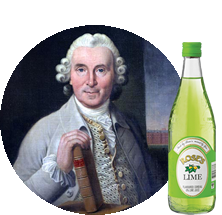
1867
Rose's lime juice was the world's first commercially produced fruit concentrate which was patented in 1867. From 1795, due to the higher vitamin C content than any other citrus fruits, it was normal practice within the Royal Navy for sailors to receive a daily ration of lemon or lime juice.
-
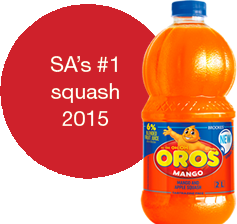
1899
Oros which has now become a staple in South African households with various flavours available has been around since 1899, when Charles Brookes founded the brand.
-
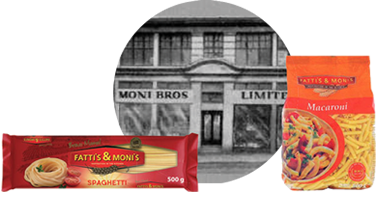
1915
The Moni brothers started producing pasta in 1915 in Johannesburg. United Macaroni Factories was born out of a peace treaty signed between the Italian Fatti's and Moni's families in 1925. In 1982 Tiger Brands took over the controlling interest and became known as Fatti's & Moni's.
-
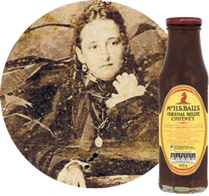
1917
Mrs H.S. Ball's Chutney™ was created with the Ball family crest on the top of the label. The Woodstock factory opened in 1917 to meet escalating demand of the most loved chutney in South Africa.
-
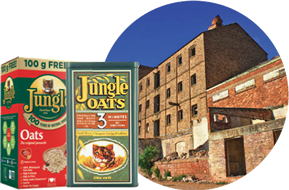
1925
Jungle Oats (originally known as Tiger Oats) was launched and produced in Moorreesburg as Tiger Brands' first product.
-

1926
Manufactured in South Africa since 1926, Black Cat peanut butter was first produced under the name Alderton Limited in Potgietersrus before it became part of the Tiger Oats Company.
-

1937
First formulated in 1937 for Ingram's Pharmacy in Johannesburg by German immigrant Hans Rose, Ingram's Camphor Cream was initially marketed by sending complimentary jars to Johannesburg Hospital, with demand soon outstripping supply.
-
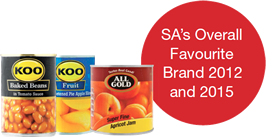
1940
Established in 1940 by the Langeberg Cooperative, KOO initially produced canned fruit. Innovation has been a brand strength from the early days. A year after being established, KOO introduced canned vegetables and soon followed with the launch of tomato paste and baked beans.
-
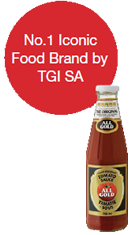
1959
Originally launched in 1908, All GOLD, South Africa's most iconic tomato sauce, was first made by lowering muslin bags filled with herbs and spices into pots of ripe, freshly crushed tomatoes at a jam manufacturing company in Paarl, Western Cape. By 1959 demand for ALL GOLD Tomato Sauce increased countrywide and mass production began in Paarl and Langlaagte.
-
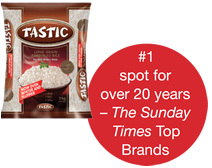
1961
Tastic is an iconic staple in South African kitchens. It has held the number 1 spot in The Sunday Times Top Brands Essential Foods category for over 20 years.
-
1970
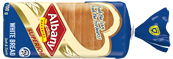
Albany Bakeries have been dedicated to baking the freshest and most delicious products since 1970, offering superior quality and nutrition to our consumers.