
We partner for impact and promote transparencyDownload pdf version
 |
OUR KEY RELATIONSHIPS
We have a structured stakeholder relations strategy in place to ensure a consistent and proactive approach to engagement across the group.
In 2017, we undertook a dedicated engagement process to develop a baseline appreciation of stakeholders’ perceptions regarding our existing engagements, and to identify opportunities to foster increased inclusivity. Since October 2018, we have been working with various stakeholder groups to develop and implement site-specific stakeholder engagement plans. During 2020, we started the programme of engaging with host communities and partnering with NGOs to undertake social-mapping exercises. These have not yet been completed due to the prevailing Covid-19 circumstances. We will resume with these earlier in the next financial year, enabling us to be more responsive to specific stakeholder and community needs, and to inform our socio-economic development (SED) initiatives.
In our integrated annual report (IR), we identify the key stakeholder groups that have a substantive impact on our ability to create value (see IR section). We briefly outline their contribution to value creation, our means of engaging with them, and note each stakeholder group’s primary interests in our business activities. Although we appreciate that there is often substantial diversity of perspective and interest within each group, we believe that the interests listed in the IR are a sufficiently accurate reflection of each group’s most material concerns regarding our activities and performance.
We are committed to proactive stakeholder engagement, playing an active role in industry forums to help shape sustainability tools and best practices, and partnering with external organisations and stakeholders for collective impact in building healthier communities and a more sustainable food system.
OUR KEY PARTNERSHIPS
We are a member of industry bodies, including NBI, Manufacturing Circle, CGCSA, South African Agricultural Processors Association (SAAPA), South African Fruit and Vegetable Export Council (SAFVEC), The Beverage Association of South Africa (BEVSA), Groundnut Forum, World Tomato Processing Council (WTPC), and the Coalition for Ethical Operations.
We actively engage with industry partners on sustainability through the CGCSA and NBI, including on initiatives relating to the SDGs, climate change, water, food waste, plastics waste, and responsible marketing. We are working with South Africa’s Council for Scientific and Industrial Research (CSIR) on resource efficiency and cleaner production (RECP) assessments, as part of the national clear production programme, to enhance the sustainability of our manufacturing operations (see Our business model).
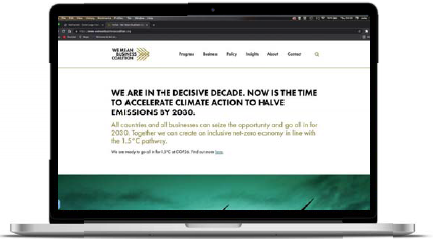
As signatories to the We Mean Business initiative, we have committed to adopting a science-based emissions reduction target, promoting responsible corporate engagement on climate policy, and reporting climate change information in mainstream reports as a fiduciary duty. We also work closely with the Stellenbosch University’s Centre for Food Safety, United Nations Industrial Development Organisation (UNIDO), Strategic Water Partners Network (SWPN), SGS (certification), Terra Firma Academy, and MARSH Risk Grading Programme.